 How-to
7 Steps to Find a Licensed Electrician in Pasco County
Quick Summary
To find a licensed electrician in Pasco County, first ask for the contractor's Florida license number and look it up on the Florida DBPR MyFloridaLicense search to confirm it is active and matches the business name. Then check the Pasco County contractor registration, verify insurance and permits, and read reviews before you hire.
- Ask for the license number in writing and confirm it is an active EC or ER contracting license.
- Make sure the license name matches the business name on your estimate and contract.
- Ask for current certificates of liability insurance and workers' compensation coverage.
- Confirm the contractor pulls the permit and that inspection is included in the quote.
- Never pay the full amount before work starts; a modest deposit is the common practice.
Table of Contents
- Why a Licensed Electrician Matters in Pasco County
- Step 1: Confirm the Electrician Holds a Florida State License
- Step 2: Run a Pasco County Contractor License Search
- Step 3: Check Florida Electrical Contractor License Lookup Results Carefully
- Step 4: Verify Insurance, Bonding and Local Permits
- Step 5: Read Reviews and Confirm Local Experience
- Questions to Ask an Electrician Before Hiring
- Booking Your Licensed Electrician with Costena Services
- Frequently Asked Questions
7 Steps to Find a Licensed Electrician in Pasco County
Last Updated: November 10, 2026
Why a Licensed Electrician Matters in Pasco County
Hiring a licensed electrician protects your home, your family, and your wallet. Electrical work done without a license often fails inspection, voids insurance claims, and creates fire risks that show up years later. Electrical work generally requires a state-licensed contractor, so checking credentials is the first step.
This guide from Costena Services walks you through seven practical steps. You can finish the checks in an afternoon, and each one helps you avoid unlicensed or unqualified contractors.
Step 1: Confirm the Electrician Holds a Florida State License
Start by confirming that the electrician holds a valid Florida state license. Ask for the license number before you schedule any work. A legitimate contractor gives it to you without hesitation.
Florida does not issue one generic "electrician license." The Department of Business and Professional Regulation (DBPR) issues several electrical credential types, and the scope of work differs by type. The main ones a Pasco County homeowner will encounter are:
- Certified Electrical Contractor (EC): the statewide license that allows the holder to contract for electrical work and pull permits anywhere in Florida, including Pasco County.
- Registered Electrical Contractor (ER): a local license registered with the state; the contractor's scope is tied to the jurisdiction that registered them.
- Journeyman and apprentice credentials: these are individual worker certifications, not contracting licenses. A journeyman can perform electrical work under a licensed contractor, but a journeyman cannot contract with you directly or pull the permit for your job.
That distinction matters. If the person quoting your panel replacement hands you a journeyman number, you are not talking to the contracting license holder. Ask for the EC or ER number that belongs to the business entity on your contract.
Using the MyFloridaLicense Lookup
The Florida DBPR runs a centralized license lookup at Florida DBPR MyFloridaLicense license search. The search accepts a license number, a business name, or an individual's name. A practical walkthrough:
- Open the DBPR license search page and choose the "Search by License Number" option if you already have the number. If you only have a company name, use "Search by Name" and filter by profession.
- Enter the number exactly as printed on the contractor's card or quote. Florida electrical license numbers typically begin with a prefix that identifies the credential type (for example, "EC" for a certified electrical contractor), followed by digits.
- Open the result and read the full record, not just the top-line status. The record shows the licensee name, the business name associated with the license, the license type, the status, the expiration date, and any disciplinary history.
- Cross-check the business name on the DBPR record against the name on your written estimate and the name that will appear on the contract. Mismatches are a reason to pause.
When you look up a license, verify:
- The name on the license matches the business or person you are hiring
- The license status is active, not expired or suspended
- The license type is a contracting credential (EC or ER), not a journeyman or apprentice card
- Any disciplinary actions are listed and reviewed
Watch out: a contractor who gives you a license number that returns no result, or a result tied to a different company name, is the single most common sign of an unlicensed operator, stop before you sign anything.
Florida issues several electrical credential types, and their scope differs, so check which one the contractor holds.
| Credential | Who holds it | What it allows |
|---|---|---|
| Certified Electrical Contractor (EC) | Contracting business | Contract for electrical work and pull permits statewide |
| Registered Electrical Contractor (ER) | Contracting business | Work limited to the jurisdiction that registered them |
| Journeyman / apprentice | Individual worker | Work under a licensed contractor; cannot contract or pull permits directly |
Step 2: Run a Pasco County Contractor License Search
State licensing is only part of the check. Confirming this registration helps you make sure the contractor can pull permits and pass inspections locally.
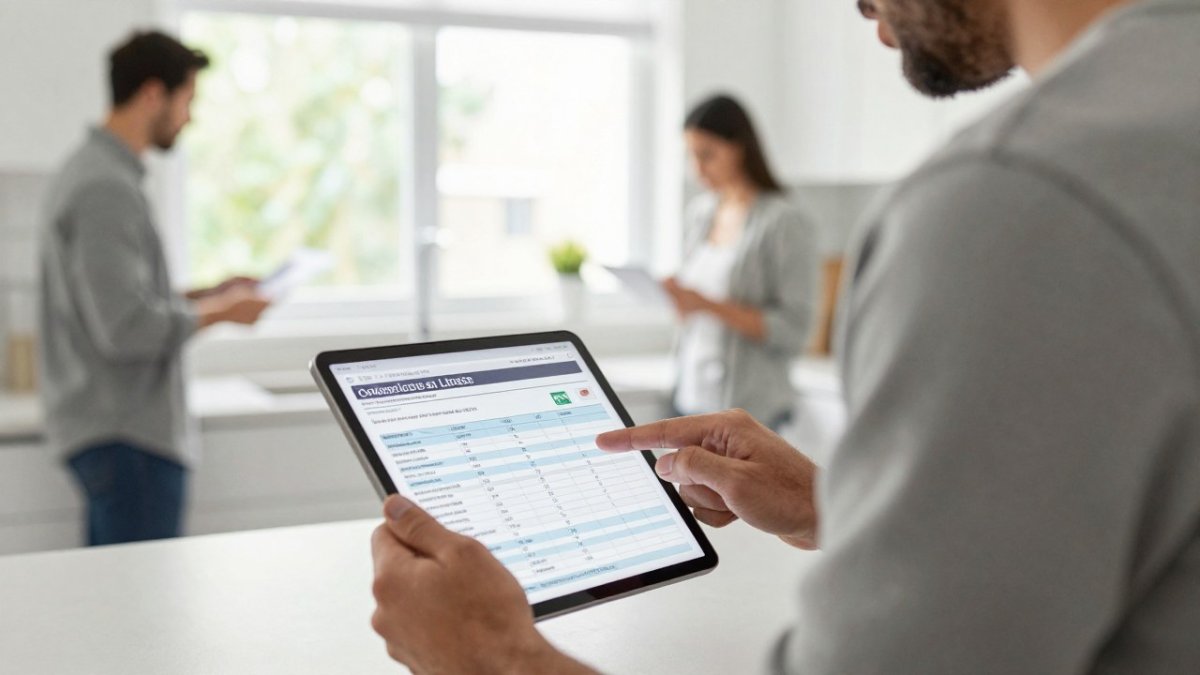
Pasco County handles this through the PascoGateway portal, which is part of the county's Pasco County contractor licensing requirements website. Search by the contractor's license number to see whether the registration is current.
A homeowner reviewing a contractor license lookup on a tablet is the best way to start this step.
Step 3: Check Florida Electrical Contractor License Lookup Results Carefully
A license search returns a lot of information. Read it closely rather than just checking for a name match.
Look for these details in the Florida electrical contractor license lookup results:
- License status: Active means the license is valid today.
- Expiration date: Make sure it will not lapse during your project.
- Business name: It should match your invoice and contract.
- Disciplinary history: Past complaints or penalties deserve a closer look.
If the results do not match what the electrician told you, stop and ask questions before you sign anything.
Step 4: Verify Insurance, Bonding and Local Permits
A licensed electrician should also carry liability insurance and workers' compensation coverage. Ask for certificates of insurance and check that they are current. Without them, you could be liable if a worker is injured on your property.
Ask whether the contractor is bonded. A bond gives you some protection if the contractor fails to finish the work or breaks the contract.
Finally, ask who pulls the permit. Electrical jobs generally require a permit and inspection. A reputable contractor handles the permit process and does not ask you to skip it.
Step 5: Read Reviews and Confirm Local Experience
Customer reviews show how a contractor performs over time. Read reviews on several platforms and look for patterns, such as repeated praise for punctuality or repeated complaints about surprise charges. A single bad review is noise; three reviews describing the same problem is a pattern.
Check how long the business has worked in the area. Ask for examples of past projects in Pasco County or nearby Tampa Bay communities. You can browse Costena Services customer-rated electrical repairs to see real feedback from customers.
Photos of finished work also help you judge quality. Costena Services shares examples of its electrical service photos in Pasco and Hillsborough counties so you can see its work before you call.
Red Flags That Should Stop the Hire
Most directory listings do not tell you what to walk away from. Use this checklist before you commit:
- Cash-only requests. A contractor who insists on cash, refuses a check or card, and offers no written receipt is avoiding a paper trail.
- No physical business address. A legitimate electrical contractor has a verifiable office or shop address. A PO box alone, or a phone number that routes to an answering service with no address, is a warning sign.
- Refusal to show the license. If the contractor will not give you the license number in writing, or gets defensive when you ask, treat that as a stop signal.
- Pressure to skip the permit. Any contractor who suggests the job is "too small" for a permit, or offers to do it "off the books," is putting your inspection and insurance coverage at risk.
- Large upfront payment demands. A common pattern is a modest deposit with the balance due after inspection. A demand for the full amount before work starts is a red flag.
- No written contract or estimate. Verbal-only quotes leave you with no recourse if the scope or price changes.
- High-pressure same-day discounts. Urgency tactics designed to prevent you from running the license check are a classic sign of a problem contractor.
Where to File a Complaint
If a licensed contractor does poor work, abandons a job, or misrepresents their credentials, you have a formal path. The Florida DBPR accepts complaints against licensed contractors through its online complaint portal and by phone. The DBPR can investigate and, where warranted, take disciplinary action against the license, which is why the disciplinary history you reviewed in Step 1 matters.
Keep your contract, receipts, photos of the work, and any text or email threads. A complaint is far more effective when it is documented.
Watch out: a contractor who asks you to pull the permit in your own name, or who suggests the work does not need inspection, is shifting legal risk onto you, that is a reason to walk away, not negotiate.
Questions to Ask an Electrician Before Hiring
Asking the right questions up front saves time and money. Use this checklist before you agree to any job:
- Are you licensed by the State of Florida, and what is your license number?
- Are you registered for work in Pasco County?
- Do you carry liability insurance and workers' compensation?
- Are you bonded?
- Who pulls the permit, and is it included in the quote?
- Is the price fixed for the job, or billed by the hour?
- What does your warranty cover, and for how long?
- How long will the project take, and what could delay it?
A contractor who answers these clearly is usually a safe bet. Vague answers are a warning sign.
Watch out: never pay the full amount before the work starts. A common practice is a modest deposit with the balance due after inspection.
Booking Your Licensed Electrician with Costena Services
Costena Services has served Tampa and Pasco County for more than 35 years, with residential, commercial, industrial, and military electrical work. The company quotes upfront pricing by the job, not by the hour, so you know the cost before work begins. Its team also offers flexible scheduling to fit around your day.
Visit Costena Services electrical services in Pasco and Hillsborough to see what the company offers, or reach out to book an appointment for your next project.
Ready to hire with confidence? Costena Services offers licensed, insured electrical work across Pasco and Hillsborough counties, with clear pricing before any work begins. Contact Costena Services today to schedule your electrical project.
Frequently Asked Questions
How do I look up an electrician’s license in Florida?
Search the Florida Department of Business and Professional Regulation license database at MyFloridaLicense.com. Enter the electrician’s name or license number, then confirm the license type, status and expiration date match the work you need. An active state-certified or state-registered electrical license is the minimum you should accept. Save a screenshot of the record for your files before you sign any contract.
What is the difference between a certified and a registered electrician in Florida?
In Florida, state-certified electrical contractors can pull permits and work statewide, while state-registered electrical contractors are generally limited to specific local jurisdictions. Both must be listed in the state license database. Check the license type on the DBPR record to confirm the electrician is authorized for your project location in Pasco County.
How can I check whether an electrical contractor is licensed in Pasco County?
Start with the Florida DBPR lookup, then confirm with your county building department that the contractor is authorized to pull permits in your area. Ask for written confirmation if you cannot verify the license online.
What should I ask an electrician before hiring them?
Ask for the license number, proof of liability insurance and workers’ compensation coverage, and whether they will pull the required permits. Request a written, itemized estimate, a projected start and finish date, and details on warranty coverage. Also ask who will be on site and how long they have worked in residential or commercial electrical service.