 How-to
7 Alternatives to DIY Electrical Panel Upgrades
Last Updated: October 28, 2026
Quick Summary
Many homes can avoid a full replacement of their electrical panel upgrades by first running a load calculation to see what the panel can really handle. Options include staggering appliance use, choosing energy-efficient appliances, adding circuits where spare capacity exists, or installing a subpanel. Panel work itself carries serious shock risk, so it is safest left to a licensed electrician.
- Repeated breaker trips across several circuits point to a bigger capacity problem than a single overloaded circuit.
- A load calculation compares your home's peak demand against the panel's rated capacity to show whether an upgrade is needed.
- Staggering big appliances at different times costs nothing and can ease occasional overloads.
- A subpanel adds circuit spaces in one area but does not add total capacity to the house.
- The line side of the main breaker stays live, so working inside an energized panel can cause severe injury or death.
Table of Contents
- Why Most Homeowners Consider a DIY Electrical Panel Upgrade
- Electrical Panel Upgrade Signs That Justify Professional Review
- Electrical Load Calculation: Finding Out What Your Panel Can Really Handle
- Alternatives That Avoid a Full Panel Replacement
- Subpanel Installation as a Targeted Option
- Adding Circuits to an Electrical Panel Without Replacing It
- Safety Limits of DIY Panel Work and When to Call Costena Services
- Frequently Asked Questions
Why Most Homeowners Consider a DIY Electrical Panel Upgrade
Your electrical panel is the heart of your home's power supply. When it can't keep up, the signs show up fast: breakers trip, lights dim when the dryer runs, and the panel feels warm to the touch. Many homeowners then look for a quick fix they can handle themselves, but some of these problems call for electrical panel upgrades.
A full panel upgrade is a big job. It usually means a larger service, new breakers, and permit work. The cost and the risk make it a hard call for many households.
That's why it helps to know the alternatives first. Some of them avoid a full replacement altogether. Below, we walk through options that often work, and we explain where DIY work stops being safe.
Electrical Panel Upgrade Signs That Justify Professional Review
Frequent breaker trips are the clearest warning sign. A breaker that trips once in a while may just be a single overloaded circuit. Repeated trips across several circuits point to a bigger capacity problem.
Other signs deserve a closer look:
- Flickering or dimming lights when large appliances start
- A panel that is warm, buzzing, or smells like burning
- Scorched or discolored outlets and switch plates
- Breakers that feel hot or won't reset
- A panel that is old or has a brand known for failures
If you see any of these, call an electrician before you try a DIY fix. Our guide to professional panel upgrades in Tampa homes explains what the work involves. Treat a warm or burning-smelling panel as an emergency.
Electrical Load Calculation: Finding Out What Your Panel Can Really Handle
A load calculation adds up the power your home uses at peak demand. Our guide on planning professional electrical wiring for new construction shows how this sizing is scoped for a home. It compares that total against your panel's rated capacity. This tells you whether you need an upgrade at all.
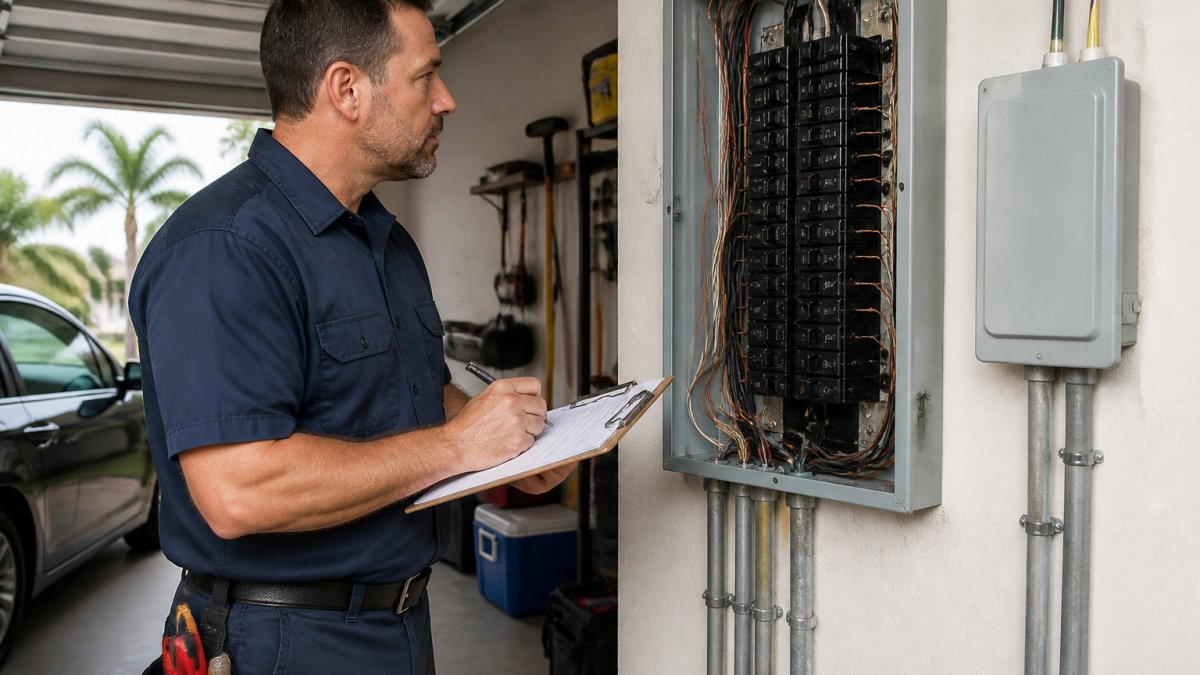
Many homes have a 100- to 200-amp panel. A 100-amp panel is often enough for a smaller home with careful planning. Electric heating, an electric water heater, and an EV charger add up fast.
A load calculation involves electrical code rules and assumptions about your appliances. Doing it wrong can leave you with a panel that's undersized or with electrical panel upgrades you didn't need.
Alternatives That Avoid a Full Panel Replacement
Many homes can add new loads without replacing the panel. These options are often cheaper and less disruptive. Each one fits a different problem.
Load Management and Staggered Appliance Use
The simplest fix costs nothing. Run big appliances at different times so they don't peak together. Our list of habits that help avoid surprise electrical bills covers more ways to reduce demand.
- Run the dryer and oven at separate times
- Schedule EV charging for overnight hours
- Use a timer for the water heater during low-use periods
Load management works best when your home only exceeds capacity now and then. It won't solve a home that's undersized for daily use.
Choosing Energy-Efficient Appliances
Newer appliances draw less power than older models. Swapping a power-hungry unit can free up capacity you need. Heat pump water heaters and induction cooktops are common examples.
Check the rated amperage of any new appliance before you buy it. A load calculation can show whether the swap is enough.
Several options can avoid a full panel replacement, each suited to a different problem.
| Option | Best for | Key limit |
|---|---|---|
| Load management and staggered use | Occasional overloads | Won't fix daily undersizing |
| Energy-efficient appliances | Freeing up capacity | Check rated amperage first |
| Adding circuits to an existing panel | Open slots and spare capacity | Wire gauge and breaker must match |
| Subpanel installation | More circuit spaces in one area | Adds circuits, not total capacity |
Subpanel Installation as a Targeted Option
A subpanel is a smaller panel fed from the main panel. It lets you add circuits in one area, such as a garage, workshop, or addition. It doesn't add total capacity to the house.
Subpanels make sense when you need more circuit spaces, not more power. If the main panel is already near its limit, a subpanel won't fix the core problem. The feeder wire and breaker need to be sized correctly.
Subpanel installation involves live wiring and code-compliant grounding. Don't attempt it without training and a permit.
Adding Circuits to an Electrical Panel Without Replacing It
Sometimes a panel has open slots and spare capacity. In that case, you can add circuits without a full upgrade. A new circuit can serve a specific load, such as a kitchen appliance or a shop tool.
Before you add anything, check three things:
- Open breaker spaces in the panel
- Spare capacity from your load calculation
- The wire gauge and breaker size the new circuit needs
Adding circuits is a common DIY temptation. Mismatched wire or the wrong breaker can cause fires.
Safety Limits of DIY Panel Work and When to Call Costena Services
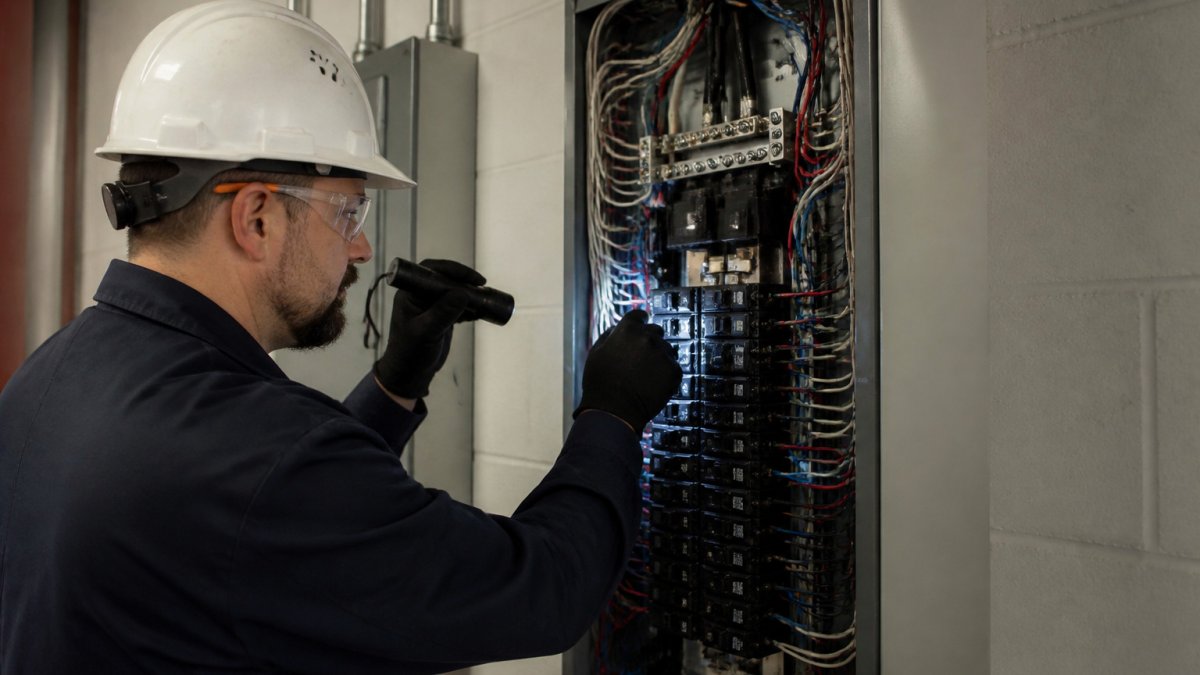
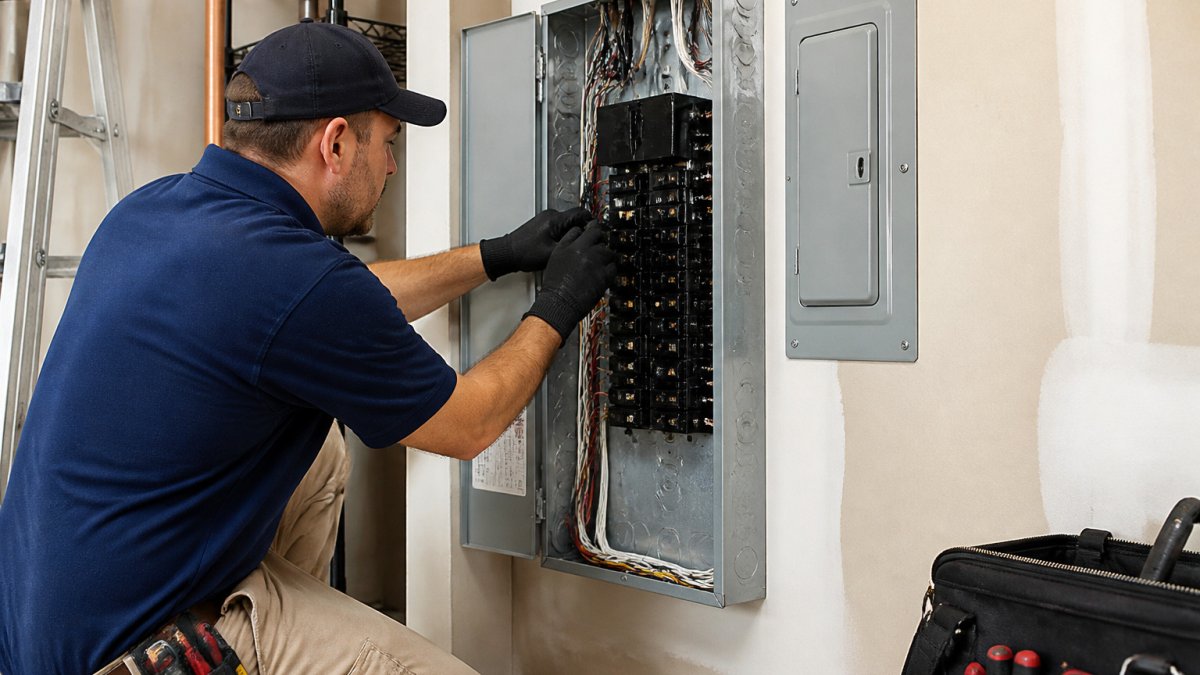
Electrical panels carry dangerous voltage even when the main is off. The line side of the main breaker stays live. Working inside an energized panel can cause severe injury or death.
Some tasks are safe for a careful homeowner, such as swapping a light fixture at a switch. Panel work, service upgrades, and new circuits are not.
Costena Services offers expert residential electrical work across Tampa and Pasco County, with pricing set by the job and not by the hour. You get a clear quote before work begins. Get started today.
Frequently Asked Questions
Can I upgrade my electrical panel myself in Florida?
Panel replacement involves live conductors. Most homeowners are better served by having a professional perform the work. Costena Services offers residential electrical work and upfront, per-job pricing.
What can I do instead of replacing my electrical panel?
Common alternatives include load management, staggering use of high-draw appliances, switching to energy-efficient equipment, and adding a subpanel to serve a specific area. Whether an alternative fits depends on the existing service and actual demand.
Can an electrician add circuits without upgrading the panel?
Whether circuits can be added without replacing the panel depends on available breaker slots and service capacity.