 how-to
Electrical Panel Upgrades for Tampa Homes: A Step-by-Step Guide
Table of Contents
- Signs You Need a New Electrical Panel
- Understanding Panel Capacity and Amperage Requirements
- Safety Risks of Outdated Breaker Boxes
- Uninsurable Electrical Panels in Florida and What You Need to Know
- The Electrical Panel Upgrade Process: What to Expect
- Cost of Electrical Panel Replacement and Budget Planning
- Hiring a Licensed Electrician for Panel Upgrades
- Permits, Code Compliance, and Inspection Requirements
- Frequently Asked Questions
Last Updated: September 30, 2026
Signs You Need a New Electrical Panel
Your home's electrical panel is the nerve center of your power system, and electrical panel upgrades are often necessary to meet modern demands. When it starts showing signs of strain, ignoring those warnings can lead to dangerous situations. The most common indicator is a breaker box that trips frequently, not just once in a while, but regularly. If you're resetting breakers multiple times a week, your panel is telling you it's overwhelmed.
Flickering lights are another red flag. When lights dim or flicker when you turn on major appliances like your air conditioner or washing machine, your panel may lack the capacity to handle the electrical load. This isn't just inconvenient; it's a sign your system is working beyond its design limits.
Age matters too. If your home was built before 1990 and still has its original electrical panel, it's worth having a licensed electrician inspect it. Vintage wiring and outdated panels weren't designed for today's electrical demands, we use far more power now than homeowners did decades ago with modern HVAC systems, home offices, and multiple devices charging simultaneously.
Burning smells near the panel or visible scorch marks demand immediate attention. These are emergency warning signs that your electrical system is overheating. Do not ignore them. Contact a professional immediately.
Understanding Panel Capacity and Amperage Requirements
Your electrical panel's capacity is measured in amperes, commonly called amps. Most homes built in the 1980s and 1990s have 100-amp panels. Newer homes typically have 200-amp service. The difference is significant: a 100-amp panel simply cannot deliver the power that modern households demand.
Here's what the numbers mean in practical terms. A 100-amp panel can safely handle a baseline load of essential circuits, lights, outlets, a water heater, and basic appliances. Add central air conditioning, electric heating, or a modern kitchen with multiple high-draw appliances, and you've exceeded its capacity. A 200-amp panel provides double the capacity, which is why it's become the standard for new construction.
Determining whether you need an upgrade requires calculating your home's actual electrical load. A licensed electrician will assess your current usage and future needs. If you're planning to add an electric vehicle charger, a heat pump, or significant renovations, your existing panel may no longer be adequate.
The relationship between panel capacity and amperage is straightforward: higher amperage means more simultaneous power draw capability. Your home's service entrance, the main line coming from the utility, must also support the upgraded amperage. In some cases, upgrading the panel alone isn't enough; the utility connection itself may need upgrading, which involves additional work and cost.
Safety Risks of Outdated Breaker Boxes
An outdated breaker box is more than just inconvenient, it's a genuine fire hazard. Older panels were engineered with safety margins based on electrical usage patterns from decades past. Today's homes draw significantly more power, and panels designed for yesterday's demands cannot safely manage today's load.
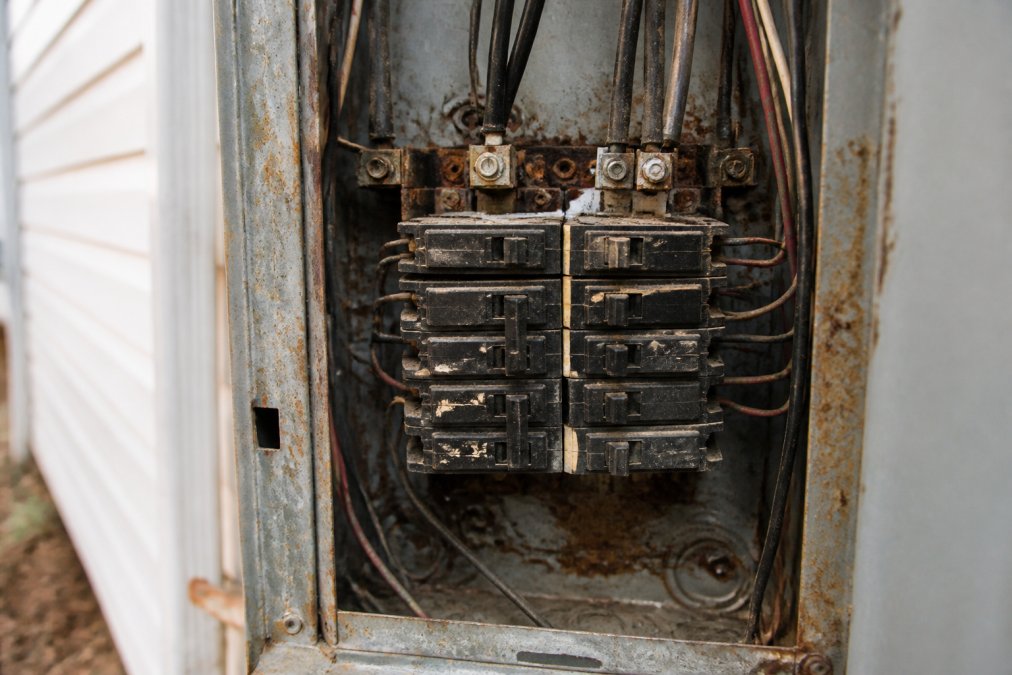
The most serious risk is electrical arcing, a situation where electricity jumps across gaps in corroded connections, generating extreme heat. This heat can ignite surrounding materials and start fires inside your walls where you cannot see them developing. By the time you notice smoke, significant damage may already be underway.
Outdated panels also lack modern safety features. Newer breaker boxes include arc fault circuit interrupters (AFCIs) and ground fault circuit interrupters (GFCIs), which detect dangerous electrical conditions and cut power instantly. Older panels have simple on-off breakers that cannot detect these hazards. A modern panel with AFCI and GFCI protection significantly reduces your risk of electrical fire and electrocution.
Corrosion is another concern specific to older panels. Metal components deteriorate over time, connections weaken, and the panel's ability to safely distribute power diminishes. A corroded connection can overheat without tripping a breaker, creating a fire risk that persists silently until it's too late.
Uninsurable Electrical Panels in Florida and What You Need to Know
Florida's insurance market has become increasingly strict about electrical safety. Many homeowners are shocked to discover that their insurance company has flagged their electrical panel as a condition for coverage, or worse, refused to renew their policy because of it.
Certain panel types have earned a reputation for reliability problems. Insurance companies in Florida now routinely require inspections of panels they consider high-risk. If your panel is identified as problematic, your insurer may demand an upgrade as a condition of coverage. Some insurers will not issue new policies on homes with outdated panels, period.
This creates a real problem: you cannot sell your home without homeowner's insurance, and you cannot get insurance without an approved electrical panel. The solution is upgrading to a modern, code-compliant panel. Once that upgrade is complete and inspected, your insurance situation normalizes.
The insurance requirement varies by carrier and by the specific panel model in your home. A licensed electrician familiar with current code compliance and insurance requirements can tell you whether your panel is at risk. Many homeowners discover this issue only when they try to renew their policy or sell their home, getting ahead of it prevents costly delays.
Costena Services helps homeowners navigate this intersection of safety, code compliance, and insurance requirements. Our team can assess whether your panel meets current standards.
The Electrical Panel Upgrade Process: What to Expect
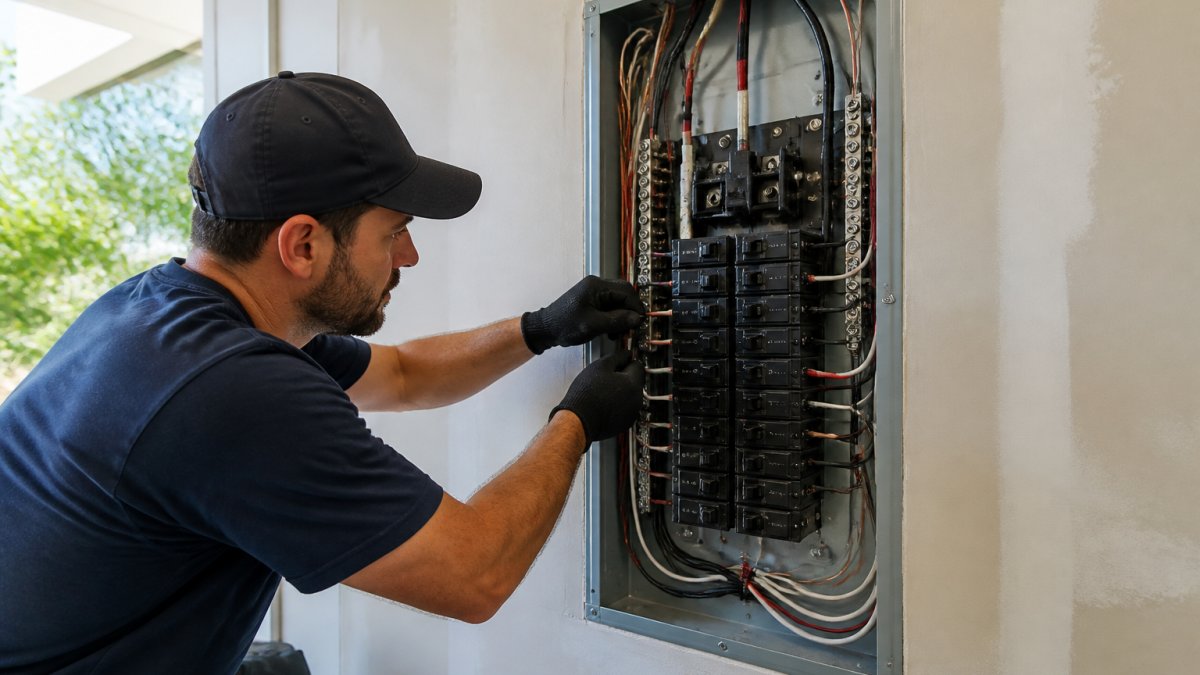
Electrical panel upgrades are significant but straightforward projects when handled by a licensed professional. Understanding the process helps you prepare and know what's involved.
The first step is scheduling an inspection and estimate. A licensed electrician will evaluate your current panel, assess your home's electrical load, and recommend the appropriate amperage for your upgrade. They'll also identify any code compliance issues that need addressing. This inspection typically takes 30-60 minutes and provides the information you need to move forward confidently.
Once you've approved the estimate, the next phase involves permits. Your local jurisdiction requires a permit for any panel upgrade work. The electrician handles the permit application, which includes submitting plans and specifications for review. Permit timelines vary, but expect 1-2 weeks for approval in most areas.
The actual installation day is when your old panel comes out and a new one goes in. The work involves turning off your main service (your home will be without power during this time), removing the old panel, installing the new one, and reconnecting all circuits. A typical panel upgrade takes 4-8 hours, depending on complexity. Your electrician will coordinate with the utility company to ensure the service entrance is properly configured.
After installation, a final inspection is required. The local electrical inspector verifies that the new panel meets code, all connections are secure, grounding and bonding are correct, and everything functions safely. Once the inspector signs off, you receive your permit certificate of completion.
Cost of Electrical Panel Replacement and Budget Planning
Panel replacement costs depend on several factors: your home's current electrical configuration, the amperage upgrade you need, local labor rates, and whether additional work is required (such as service entrance upgrades or permit fees).
The scope of work directly affects pricing. A straightforward panel replacement where only the breaker box is changed costs less than a project requiring service entrance upgrades or extensive rewiring. Your electrician's estimate will break down exactly what's included and why.
Costena Services provides upfront pricing by the job, not by the hour, so you know the exact cost before work begins.
Hiring a Licensed Electrician for Panel Upgrades
This is not a DIY project. Electrical panel work requires a licensed electrician with specific training and credentials. Your safety and your home's safety depend on proper installation.
Permits, Code Compliance, and Inspection Requirements
Electrical permits exist for one reason: to ensure work is done safely and to code. Your local jurisdiction requires a permit for any panel upgrade, and that requirement protects you.
Frequently Asked Questions
What are the main signs you need a new electrical panel?
Common indicators include frequently tripped breakers, flickering lights, burning smells near the panel, a panel that's more than 25-30 years old, or an inability to power new appliances like electric vehicle chargers or heat pumps. If your home still has a 100-amp service and you're adding major electrical loads, an upgrade to 200 amps is typically necessary. A licensed electrician can assess your electrical load and determine whether your current panel meets your home's demands.
How long does an electrical panel upgrade take?
Most residential electrical panel upgrades take one to three days, depending on the complexity of your existing wiring and whether additional work is needed. Simple upgrades from one service panel to another may be completed in a single day, while more complex jobs involving sub-panel installation or extensive rewiring can extend to three days. Your electrician can provide a timeline estimate after inspecting your home and understanding the scope of work required.
Do I need a permit for an electrical panel upgrade?
Yes, electrical panel upgrades require permits in most jurisdictions. Permits ensure your work complies with the National Electrical Code (NEC) and local building codes. Your licensed electrician typically handles permit applications and scheduling inspections. Skipping permits can create insurance issues, complicate future home sales, and leave you liable if something goes wrong. The permitting process usually adds one to two weeks to your project timeline.
What should I look for when hiring a licensed electrician for panel upgrades?
Verify the electrician holds a current Florida electrical license and carries liability insurance. Ask about their experience with panel upgrades specifically and request references from recent jobs. Ensure they provide upfront pricing before starting work and explain what's included. Check whether they handle permits and inspections as part of their service. A reputable electrician should be transparent about the work scope, timeline, and any potential complications they discover during the job.