 how-to
How to Book a Commercial Electrical Inspection
Table of Contents
- Why Your Commercial Property Needs an Electrical Inspection
- Understanding Commercial Electrical Permit Requirements
- When Do You Need a Commercial Electrical Inspection
- How Long Does a Commercial Electrical Inspection Take
- Electrical Inspection Checklist for Commercial Buildings
- Step-by-Step Process to Schedule Your Inspection
- What to Expect During Your Commercial Electrical Inspection
- Post-Inspection: Understanding Results and Remediation
- Frequently Asked Questions
Last Updated: October 2, 2026
Why Your Commercial Property Needs an Electrical Inspection
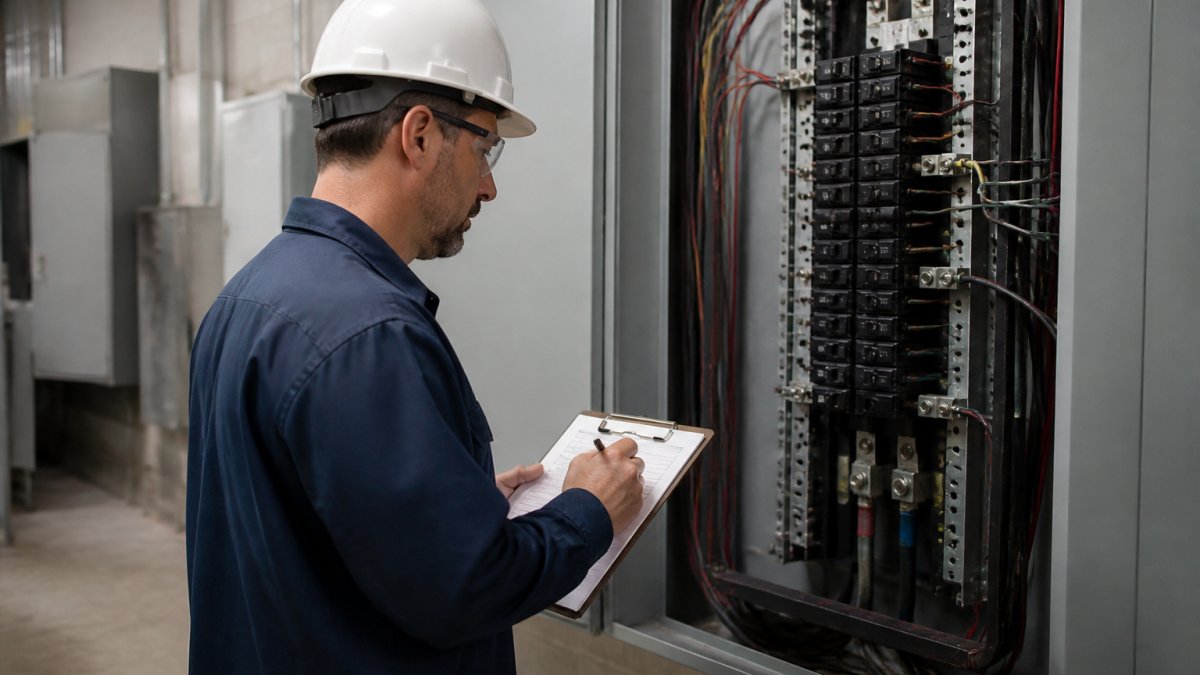
A commercial electrical inspection is a comprehensive evaluation of your building's entire electrical system to identify safety hazards, code violations, and potential failures before they become expensive problems. For property managers and business owners, this inspection protects both your assets and the people who work inside them.
Electrical systems deteriorate over time. Wiring ages, connections loosen, panels become overloaded, and code standards evolve. An inspection catches these issues early. Without one, you're gambling with fire risk, equipment damage, and liability exposure.
A single inspection can prevent many hidden electrical problems from escalating.
Understanding Commercial Electrical Permit Requirements
Electrical permits exist for one reason: to ensure work is done safely and to code. When you hire a contractor for electrical work, that contractor must pull the proper permits before starting. The permit process involves submitting plans, having the work inspected during construction, and receiving final approval.
For commercial buildings, permit requirements vary by jurisdiction. Most municipalities require permits for:
- New electrical installations or upgrades
- Panel replacements or service increases
- Adding circuits or outlets
- Installing backup generators or solar systems
- Any work that modifies the main electrical service
The permit application typically includes a description of the work, electrical plans, and contractor licensing information. Your local building department reviews the application and either approves it or requests clarification. Once approved, an inspector visits the site during and after the work to verify it meets code.
This isn't bureaucratic red tape, it's protection. Permitted work is documented, inspected by a third party, and covered by the contractor's liability insurance. Unpermitted work puts your property at risk and can void your insurance coverage if something goes wrong.
When Do You Need a Commercial Electrical Inspection
You need a commercial electrical inspection in several situations. The most obvious is before purchasing or leasing a commercial property. An inspection reveals the condition of the electrical system and whether upgrades are needed before you move in.
You also need an inspection if your building is older. Commercial buildings constructed before 2000 often have outdated wiring, undersized panels, or components that no longer meet current electrical code. If your property was built in the 1980s or earlier, an inspection is essential.
Inspect your system if you're experiencing electrical problems: tripped breakers, flickering lights, outlets that don't work, or burning smells near electrical equipment. These are warning signs that something is failing. A professional inspection identifies the root cause and prevents further damage.
Required inspections also happen after major electrical work. Once a contractor completes an installation, upgrade, or repair, the building department schedules an inspection to verify the work meets code. This is the final step before you can legally use the new electrical work.
Finally, some commercial properties are required to have regular inspections as part of their lease agreement, insurance policy, or local code compliance program. Community Development District properties in particular often have mandatory inspection schedules. Check your lease and insurance documents to see if you're required to maintain current inspection records.
How Long Does a Commercial Electrical Inspection Take
The duration of a commercial electrical inspection depends on the size and complexity of your building. A small office building might take 2-3 hours. A large commercial property with multiple buildings, complex systems, or older wiring could take 4-6 hours or require multiple visits.
The inspector examines the main service entrance, all circuit breaker panels, grounding and bonding systems, wiring throughout the building, outlets and switches, and any specialized electrical equipment like generators or fire alarm systems. They test circuits, check for proper grounding, verify that panels are labeled correctly, and look for signs of damage, overheating, or code violations.
Plan for the inspection to happen during business hours when the building is occupied, so the inspector can test circuits and verify that outlets and equipment are functioning. If your building operates 24/7, coordinate with the inspector to minimize disruption.
After the inspection, you'll receive a detailed report within 3-5 business days. The report lists all findings, categorizes issues by severity, and recommends remediation steps. This is your roadmap for any electrical work that needs to be done.
Electrical Inspection Checklist for Commercial Buildings
An inspector evaluates many components of your electrical system. Understanding what they're looking for helps you prepare and know what to expect.
Main Service and Panels:
- Proper sizing for the building's electrical load
- Correct amperage rating and breaker configuration
- Clear labeling of all circuits
- Adequate working space around panels (typically 3 feet minimum)
- Signs of corrosion, water damage, or overheating
Wiring and Conduit:
- Proper wire gauge for the circuit amperage
- Secure routing and support
- Appropriate conduit type for the environment
- No exposed or damaged insulation
- Proper grounding and bonding connections
Outlets and Switches:
- GFCI protection in wet areas (bathrooms, kitchens, outdoor spaces)
- Arc fault protection on branch circuits where required by code
- Proper spacing and accessibility
- Correct voltage for the intended use
Grounding and Bonding:
- Continuous grounding path from service to ground rod
- Proper bonding of metal equipment and structural elements
- Adequate ground rod installation and testing
Safety Hazards:
- Fire hazards from overloaded circuits or damaged insulation
- Shock hazards from improper grounding or missing covers
- Tripping hazards from exposed wiring or conduit
- Inadequate clearances around electrical equipment
| Component | What Inspectors Check | Common Issues |
|---|---|---|
| Main Panel | Load capacity, breaker sizing, labeling | Undersized for building needs, missing labels |
| Wiring | Gauge, routing, insulation condition | Deteriorated insulation, improper gauge |
| Outlets | GFCI/AFCI protection, spacing, voltage | Missing protection, incorrect voltage |
| Grounding | Continuity, bonding, ground rod | Broken connections, inadequate grounding |
| Safety | Fire/shock hazards, clearances | Overloaded circuits, blocked access |
Step-by-Step Process to Schedule Your Inspection
Scheduling a commercial electrical inspection is straightforward when you follow the right steps. This process ensures you get a qualified inspector and have all the information ready when they arrive.
Step 1: Gather Your Property Information
Before contacting a contractor, collect basic information about your building. This speeds up the scheduling process and helps the inspector prepare.
You'll need the property address, building age, square footage, and the type of business operating there. If you know when the electrical system was last inspected or upgraded, have that date ready. Also note any specific electrical problems you've experienced, tripped breakers, flickering lights, outlets that don't work, or equipment failures.
If you have electrical plans or system documentation, gather those too. They're helpful but not required. The inspector can work without them, but having them available saves time.
Step 2: Contact a Licensed Contractor
Call a licensed electrical contractor in your area to schedule the inspection. Ask specifically for a commercial electrical inspection, not a residential one, commercial systems are more complex and require specialized knowledge.
When you call, describe your building and explain why you need the inspection. Ask about the contractor's experience with commercial properties similar to yours.
Step 3: Confirm Inspection Date and Time
Once you've chosen a contractor, confirm the inspection date and time. Schedule it when your building is accessible and occupied, so the inspector can test circuits and verify equipment operation.
Step 4: Prepare Your Property
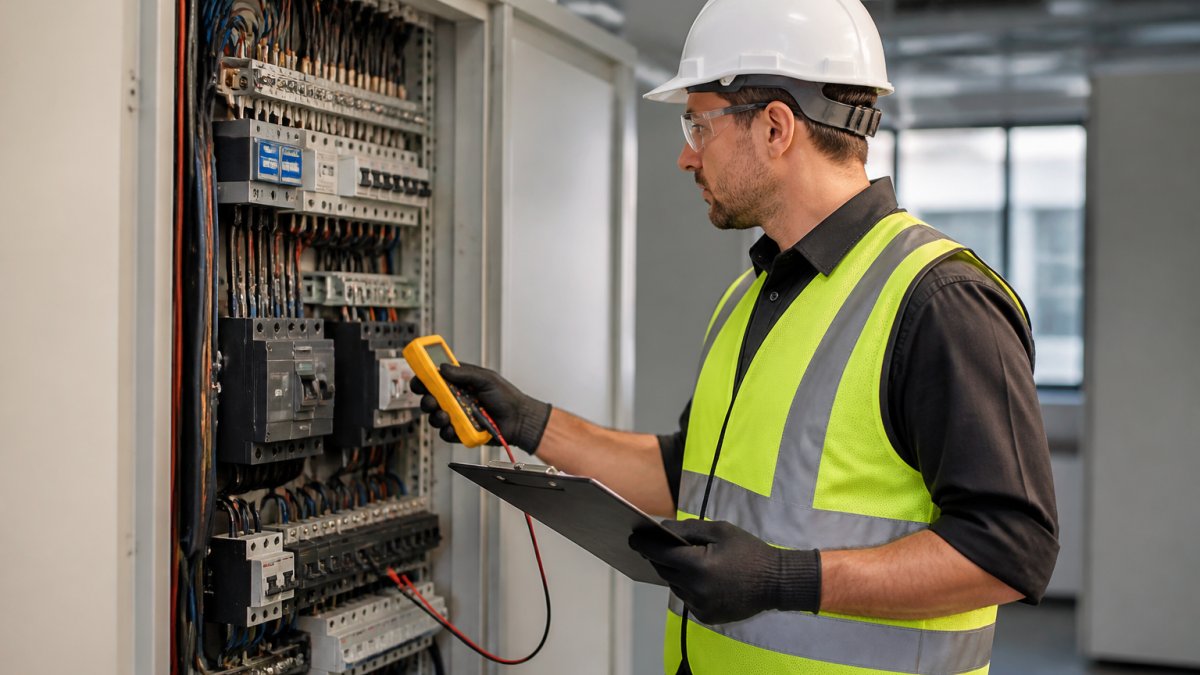
Before the inspection day, prepare your building to make the process efficient. Ensure the inspector has clear access to all electrical panels, the main service entrance, and any specialized equipment like generators or backup systems.
What to Expect During Your Commercial Electrical Inspection
When the inspector arrives, they'll introduce themselves and explain the process. The inspection itself is non-invasive, the inspector doesn't cut into walls or damage the building. They use testing equipment to check circuits, grounding, and safety systems.
Post-Inspection: Understanding Results and Remediation
After the inspection, you'll receive a detailed report. The report lists all findings, organized by severity: critical issues that pose immediate safety risks, major issues that violate code and need correction, and minor issues that should be addressed during routine maintenance.
Frequently Asked Questions
How long does a commercial electrical inspection take?
Duration depends on your property's size and electrical system complexity. Small offices typically take 1-2 hours, while larger commercial buildings with multiple panels and extensive wiring may require 3-4 hours or more. Older buildings often take longer due to outdated systems requiring closer evaluation. Schedule extra time if your property has multiple buildings or complex configurations.
What are the main commercial electrical permit requirements?
Most jurisdictions require permits for new installations, service upgrades, and significant rewiring work. You'll need to submit plans showing your electrical system layout, load calculations, and compliance with current building codes. A licensed contractor typically handles permit applications. Check with your local building department for specific requirements, as regulations vary by location and property type.
How do I prepare my commercial property for an electrical inspection?
Clear access to electrical panels, circuit breakers, and outlets. Remove obstacles around the main service entrance. Ensure the property is well-lit and safe for the inspector to move around. Compile documentation of any recent electrical work, permits, or modifications. Have building plans available if possible. Notify tenants or staff that an inspection is occurring so they can provide access to locked areas.
What happens if my inspection reveals code violations?
The inspector will document violations in a detailed report. Common issues include inadequate grounding and bonding, improper panel labeling, missing GFCI protection, or outdated wiring. You'll receive a timeline for remediation based on severity. Life-safety hazards typically require immediate correction, while other violations may have longer compliance windows. A licensed contractor can perform necessary repairs and schedule a re-inspection to verify compliance.