 How-to
7 Habits to Avoid Surprise Electrical Bills
Last Updated: October 25, 2026
Quick Summary
To avoid surprise electrical bills, run appliances off-peak, set your water heater to 120 degrees, switch to LED lighting, use smart power strips, close blinds against sunlight, track usage weekly, and review your rate plan each season. Also read each bill for estimated readings, rate changes, and errors.
- Electricity prices rose 5.1% between September 2024 and September 2025, so bills can jump even with no change at home.
- A jump of more than about a fifth in weekly kWh compared with last week or last year deserves a look.
- Compare kilowatt-hours, not dollars: flat kWh with a higher bill points to a rate or fee change.
- Budget billing averages annual use into a fixed monthly amount, removing the seasonal shock without lowering your total.
- Photograph your meter on the first and last day of each billing cycle to settle disputes about estimated readings.
Table of Contents
- Why Surprise Electrical Bills Keep Happening
- Unexpected High Electric Bill Causes You Can Actually Control
- 7 Household Habits That Prevent Surprise Electrical Bills
- How to Monitor Electricity Usage Before the Bill Arrives
- Read the Bill Like a Pro: Rates, Estimates, and Errors
- Your Electrical Repair Estimate Checklist
- Questions to Ask an Electrician Before Hiring
- Get Your Electrical System Checked Before the Next Bill
- Frequently Asked Questions
Why Surprise Electrical Bills Keep Happening
Electricity prices rose 5.1% between September 2024 and September 2025, according to Consumer Price Index data cited by the Bipartisan Policy Center. That means your bill can jump even when you change nothing at home. At Costena Services, we hear the same question every summer: why did my bill spike? Learning how to avoid surprise electrical bills starts with one hard truth.
Unexpected High Electric Bill Causes You Can Actually Control
An unexpected high electric bill usually traces back to one of a few causes: weather, habits, or a billing error. You can control the first two. The third needs a closer look at your statement. Consumer Reports notes that high bills often relate to behavior at home, but mistakes can also come from a malfunctioning meter or a clerical error.
Heating, Cooling, and Seasonal Demand
Heating and cooling drive most seasonal demand. When hot weather hits, air conditioning runs longer and harder. A thermostat set too low pushes the system to work past its limit. Try these fixes:
- Set the thermostat a few degrees higher when you leave
- Close blinds to block direct sunlight
- Pre-cool rooms during off-peak hours
Standby Power and Energy Vampires
Standby power is the electricity devices draw when they are off but still plugged in. Think TVs, game consoles, chargers, and cable boxes. These energy vampires can add up across a whole home. Smart power strips cut the draw by shutting off unused outlets. Unplug devices you rarely use. It is one of the simplest ways to reduce bills.
7 Household Habits That Prevent Surprise Electrical Bills
Seven habits cut most bill spikes, and none of them cost much. The list below covers the household habits that matter most. Run appliances like the laundry and dishwasher during off-peak hours when your plan offers lower rates. Set the water heater to 120 degrees. Switch to LED lighting. Use smart power strips. Close blinds against sunlight. Track your electricity usage weekly.
Here are the seven habits the article recommends, each with the action it involves.
| Habit | What to do |
|---|---|
| Run appliances off-peak | Do laundry and dishes during off-peak hours |
| Set the water heater | Set it to 120 degrees |
| Switch lighting | Switch to LED lighting |
| Cut standby power | Use smart power strips |
| Block sunlight | Close blinds against sunlight |
| Track usage | Track your electricity usage weekly |
| Review your plan | Review your rate plan each season |
How to Monitor Electricity Usage Before the Bill Arrives
Monitoring is only useful if you know what to do when the number moves. The routine below turns a weekly glance into a response plan, so a spike gets caught and explained before the statement lands.
Set up the monitoring layer
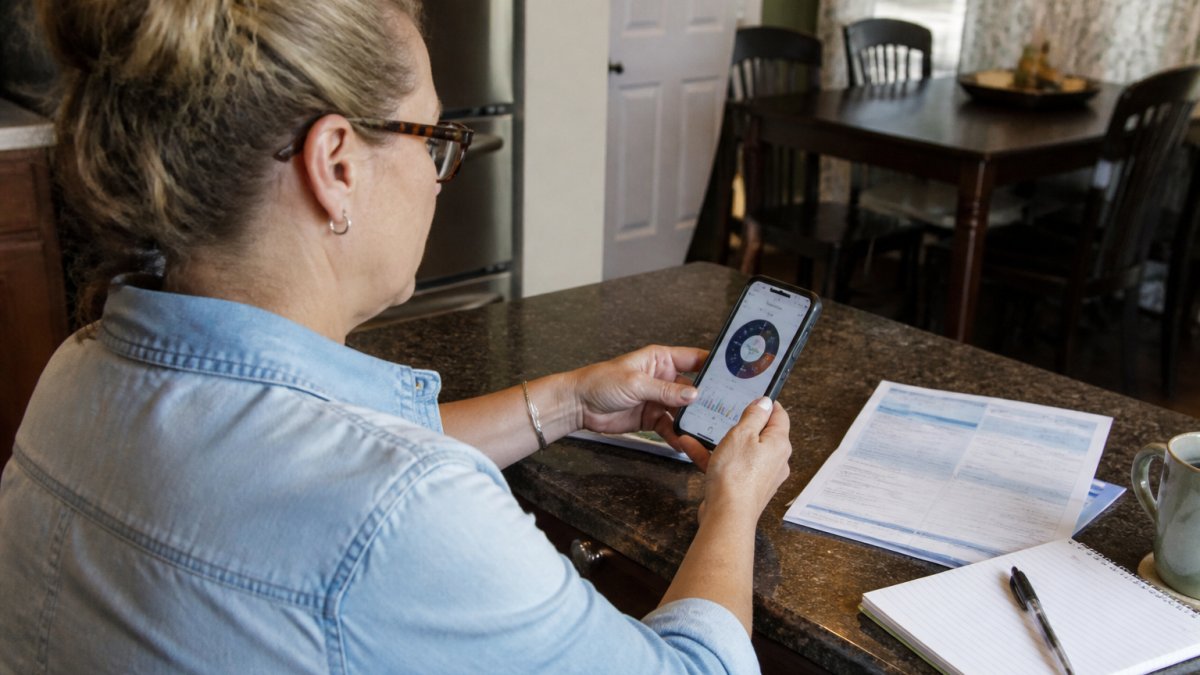
Start with whatever your utility offers. A smart meter or utility app shows usage in near real time. If you have neither, read the meter yourself once a week and write down the kWh and the date. Set two alerts if the app supports them: a budget alert that fires when projected use crosses your target, and a mid-cycle alert that warns you partway through the billing period.
Run a weekly comparison
Compare this week's kWh to last week's and to the same week last year. A jump of more than about a fifth deserves a look. Keep a short log of changes, a new appliance, houseguests, a heat wave, a space heater, a pool pump running longer. Most spikes have an entry in that log. If the log is empty and the number still jumped, move to the investigation sequence.
A prioritized response plan for an unusually high bill
Work through these steps in order. Stop when you find the cause.
- Confirm the reading. Check actual versus estimated, and compare the meter to the statement.
- Compare kWh, not dollars. Flat kWh with a higher bill points to a rate or fee change; higher kWh points to usage.
- Walk the house. Look for a space heater left on, a water heater stuck on its high setting, a refrigerator running constantly, or a well pump cycling. These are the usual silent culprits.
- Isolate a suspect appliance. Turn it off at the breaker for a day and compare daily kWh. A failing compressor or a bad element shows up fast.
- Call the utility. Ask for the rate schedule, the reading history, and an explanation of any new line item. Request a formal review if the numbers do not reconcile.
- Escalate if needed. Ask for a supervisor, request a meter test, and put your request in writing. Keep your meter photos and logs attached.
Use budget billing and payment plans
Budget billing (often called equal payment or levelized billing) averages your annual use into a fixed monthly amount. It does not lower your total, but it removes the seasonal shock and makes planning easier. Ask whether your utility trues up annually or semi-annually, and budget for the reconciliation month. If a high bill has already landed, ask about a payment arrangement or a short-term extension before the due date, most utilities offer one, and asking early is easier than asking after a shutoff notice.
Watch the occupancy transitions
Move-in, move-out, and seasonal occupancy cause some of the most confusing bills. On move-in, confirm the account start date and the opening meter reading so you are not billed for the prior occupant. On move-out, request a final reading and a final bill, and keep the confirmation. For a vacant home, remember that a water heater, refrigerator, or pool pump left running still draws power, shut down what you can and expect a baseline bill even when nobody is home.
Read the Bill Like a Pro: Rates, Estimates, and Errors
Most guides tell you to use less electricity. Almost none tell you to check whether the bill is even right. That is the gap that turns a high bill into a surprise. Reading your statement line by line takes about ten minutes and catches the three things that cause unexplained spikes: estimated readings, rate changes, and plain errors.
Check whether the reading was actual or estimated
Your bill shows a meter reading and a billing period. Look for a label that says actual or estimated. Utilities estimate when they cannot access the meter or when a route is delayed.
To verify, find the reading on your statement and compare it to the number on your meter. If the meter reads lower than the billed figure, you may be paying ahead.
Compare kilowatt-hours, not dollars
Dollars move with rates. Kilowatt-hours (kWh) move with use. Put this month's kWh next to the same month last year and next to last month. If kWh is flat but the bill jumped, the cause is a rate change, a fee, or a billing error, not your habits. If kWh climbed, the cause is usage, and the troubleshooting steps below apply.
Look for rate and plan changes
Rate structures shift more often than most homeowners realize. Watch for:
- Time-of-use (TOU) rates, you pay more during defined peak hours and less off-peak. A bill can rise with no change in total use if more of that use lands in peak windows.
- Tiered rates, a lower price for the first block of kWh and a higher price above it. Crossing into the top tier raises the effective rate on every extra kilowatt-hour.
- Demand charges, common on some commercial and specialty residential plans, billed on your highest short burst of demand rather than total use.
Find your rate schedule on the utility's website and confirm the peak windows and tier thresholds. If your plan no longer fits your routine, ask about switching before the next cycle.
Spot the common billing errors
A clerical error is rare but real. Check the billing period length, a 35-day cycle costs more than a 28-day one. Confirm the meter number matches your account. Look for duplicate line items, late fees you did not earn, and charges for services you never enrolled in. If a number looks wrong, call the utility, ask for the charge to be explained in writing, and request a formal review.
For a full breakdown of how repair charges are structured, see our guide to electrical repair pricing models explained.
Your Electrical Repair Estimate Checklist
An electrical repair estimate checklist keeps a quote honest and complete. Ask for the scope in writing. Confirm the price is per job, not per hour. List every item the electrician will test or replace. Ask what happens if they find a second problem. Before you commit, read how per job electrical pricing works so you know what you are agreeing to.
Questions to Ask an Electrician Before Hiring
Ask these questions before you hire an electrician, and you avoid most disputes. Is the price fixed per job? What is your warranty? How long have your technicians worked in the field? Can you handle older wiring across multiple buildings? Do you offer evening or weekend scheduling? For more on vetting a contractor, read our guide to licensed electrical contractors.
Get Your Electrical System Checked Before the Next Bill
A faulty panel, old wiring, or a failing appliance can raise your bill without warning. A professional check finds those problems early. Costena Services offers upfront pricing by the job, not by the hour, so you know the cost before work begins. We also offer flexible scheduling around your day. Schedule an appointment or review our full range of electrical services to get your system checked.
Frequently Asked Questions
How can I avoid unexpectedly high electric bills?
Start with a routine instead of a one-time fix. Compare your usage month over month, set budget or mid-cycle alerts with your utility, and check the bill for estimated readings and rate changes. Then address the usual drivers: thermostat settings, air conditioning during hot weather, water heater temperature, laundry and dishwasher timing, and standby power from devices left plugged in. Electricity prices rose 5.1% between September 2024 and September 2025, so even unchanged usage can cost more.
What can cause an electric bill to suddenly increase?
Common causes include a run of hot weather and heavier air conditioning, a water heater set too high, appliances or lighting left running, and energy vampires drawing standby power. Consumer Reports also notes that a malfunctioning meter or a clerical error can produce an inflated bill, and utilities sometimes revise estimates during the year. Check the reading type and rate details on the bill before assuming your habits changed.
What should an electrical repair estimate checklist include?
A complete estimate should state the scope of work in writing, list materials and any permits, separate labor from parts, and confirm whether the price is by the job or by the hour. Ask how additional work is approved and what the warranty covers. Get the total in writing before work starts, and keep the signed estimate so any change order can be compared against it.
What should I ask an electrician before approving additional work?
Ask what was found, why it was not visible during the original inspection, and how the added cost changes the total. Request the change in writing before anyone proceeds. A contractor who prices by the job should be able to explain the revised scope clearly. If the answer is vague or the number moves without documentation, pause and get a second written estimate before approving anything.
A surprise electrical bill is rarely a mystery once you know where to look. Catch the spike early, read the statement closely, and fix the causes you control. When the wiring itself is the problem, Costena Services can help. We provide clear, upfront pricing by the job, precise and safe workmanship, and scheduling that fits your day. Get started with Costena Services and put an end to billing surprises.