 how-to
Commercial Electrician for Office Spaces: A 2026 Guide
Table of Contents
- What Commercial Electricians Do in Office Spaces
- Key Questions to Ask Before Hiring a Commercial Electrician
- Essential Qualifications for a Commercial Electrical Contractor
- Office Electrical Renovation Planning: Step-by-Step
- Creating Your Office Electrical Project Checklist
- Common Office Electrical Services and Scope
- How to Compare Commercial Electricians for Your Office
- Permits, Inspections, and Code Compliance
- Frequently Asked Questions
Last Updated: October 20, 2026
What Commercial Electricians Do in Office Spaces
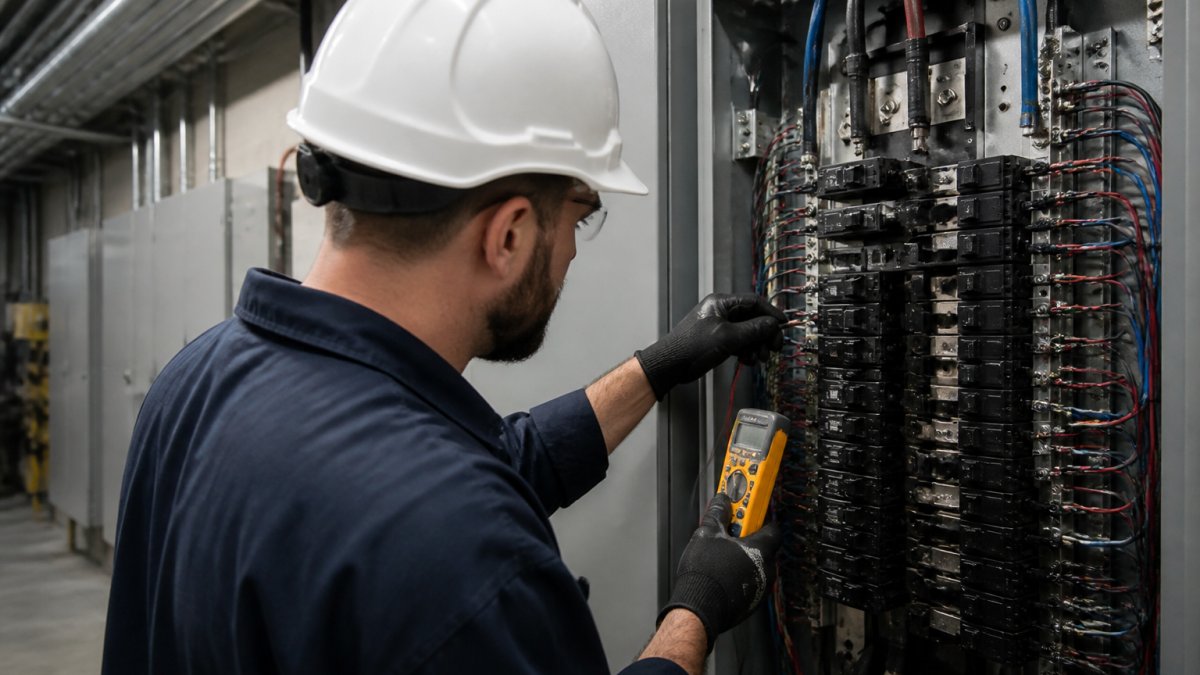
A commercial electrician specializing in commercial electrician office spaces installs, maintains, and repairs electrical systems designed for business environments rather than residential settings.
Office electrical work differs significantly from residential projects. Commercial systems handle higher voltage loads, require more complex wiring configurations, and must meet stricter safety codes.
At Costena Services, we've worked with office spaces across the region for over 35 years, managing everything from small tenant improvements to large-scale commercial renovations.
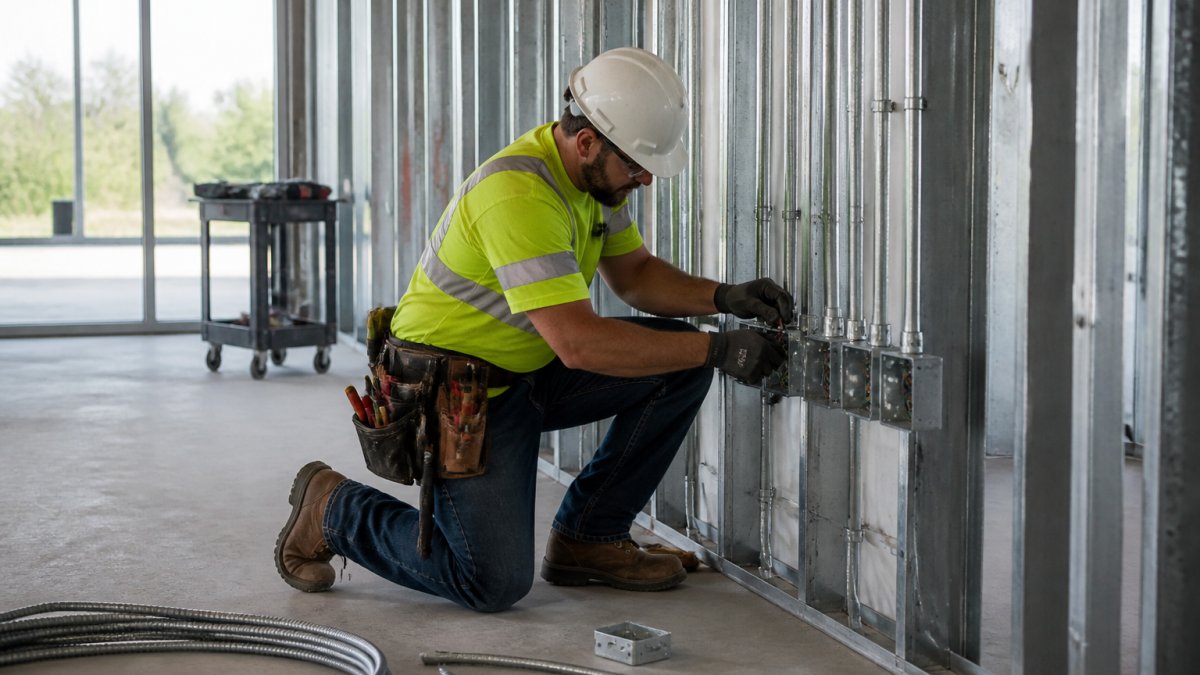
Common office electrical services include panel upgrades to support new equipment, outlet installation for workstations and conference rooms, lighting design and installation, data and communication line setup, and emergency backup system installation.
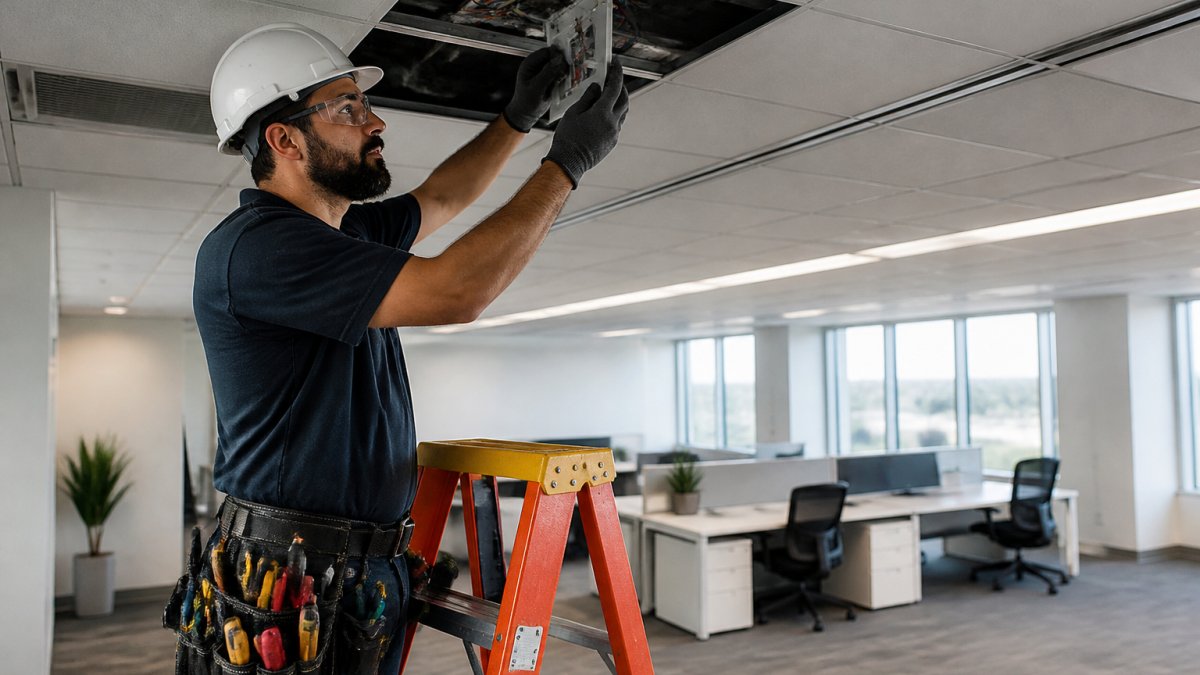
The scope often extends beyond the visible outlets and switches. Commercial electricians troubleshoot existing systems, identify code violations, plan capacity for future growth, and coordinate with building management to minimize disruption during occupied-office work.
Key Questions to Ask Before Hiring a Commercial Electrician
Before you commit to any commercial electrician, ask questions that reveal their actual experience and approach. The right contractor answers clearly and confidently; vague responses are a warning sign.
Start by asking how many office projects they've completed in the past three years. Specific numbers matter, a contractor who says "many" versus "we completed 12 office renovations last year" shows different levels of track record.
Ask about their approach to timeline and budget. How do they handle projects that run over? What's their process for identifying unexpected issues and communicating changes?
Request references from recent commercial projects and actually contact them. Ask those references about timeliness, professionalism, cleanliness, and whether the final bill matched the estimate. Ask if the electrician communicated clearly when issues arose and how they handled changes.
Finally, ask about their approach to code compliance and permitting. Do they pull permits themselves, or do you need to handle that? Can they explain the specific codes that apply to your project?
Essential Qualifications for a Commercial Electrical Contractor
Not every electrician is qualified to work on commercial electrician office spaces. Verify qualifications before hiring.
Licensing and Insurance Requirements
A licensed electrician has completed apprenticeship, passed exams, and maintains continuing education to stay current with code changes. Licensing requirements vary by state and sometimes by municipality, but a valid license is non-negotiable for commercial work. Ask to see the license and verify it's current, don't accept verbal assurance.
Insurance is equally critical. A commercial electrical contractor should carry general liability insurance and workers' compensation coverage. Request a certificate of insurance that names your business as an additional insured. This protects you if an accident occurs during the project. Uninsured contractors expose you to significant liability.
Ask whether they carry bonding for public projects or larger commercial work. A bond guarantees that the work will be completed as contracted. For office renovations, bonding may not be required, but it's a sign of financial stability and professional standards.
Track Record and Experience in Office Projects
Experience matters enormously. An electrician with 10 years of residential work may not be equipped for a complex office electrical renovation. Ask specifically about office experience, how many office projects, what types, and how recent.
Ask about their experience with the specific challenges your project presents. If you're upgrading an older office building, do they have experience with legacy systems and code upgrades? If you're doing a tenant improvement in a multi-tenant building, do they understand the coordination required with building management and other trades? If you need emergency service, ask about their availability and response time.
Request a portfolio or photos from recent office projects. Professional contractors keep documentation of their work. You should see examples of clean installations, organized cable management, and professional finishes. Poor workmanship shows immediately in photos.
Office Electrical Renovation Planning: Step-by-Step
Planning prevents delays, cost overruns, and disruption to your office operations. A structured approach protects your project.
Step 1: Define Your Scope and Goals
Start by identifying exactly what needs to change. Are you upgrading outdated wiring? Adding circuits for new equipment? Reconfiguring the layout during a tenant improvement? Increasing capacity for growth? Write down the specific outcomes you need.
Step 2: Get a Professional Assessment
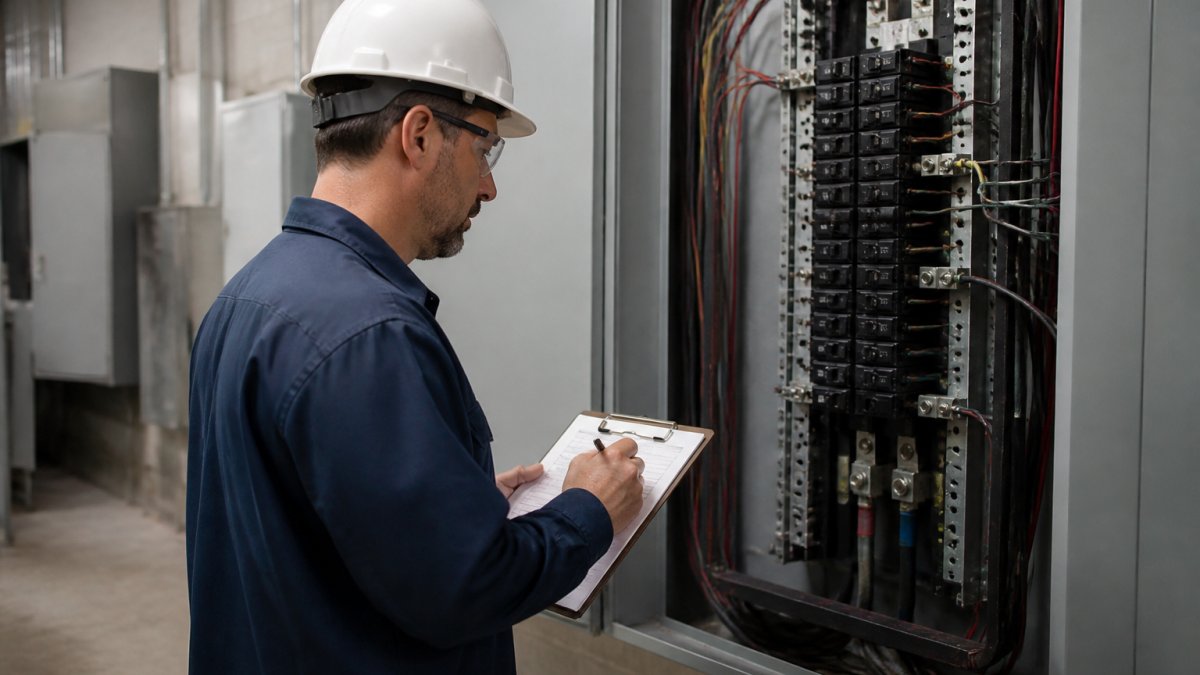
Hire a commercial electrician to evaluate your current system and propose solutions. They'll identify code violations, capacity limitations, and safety concerns. This assessment becomes the foundation for your project plan.
Step 3: Understand Permitting and Timeline
Commercial electrical work typically requires permits and inspections. Your contractor should explain what permits are needed, how long approval takes, and what the inspection process involves.
Step 4: Plan for Minimal Disruption
For occupied offices, plan the work schedule carefully. Can sections of the office remain operational while electrical work happens in others? Do you need work outside business hours? Can the project happen in phases?
Step 5: Establish Communication and Change Management
Define how you'll communicate during the project. Who's your point of contact? How often will you get updates? What's the process if unexpected issues arise? Clear communication prevents misunderstandings and keeps the project on track.
Creating Your Office Electrical Project Checklist
Use this checklist to organize your commercial electrical renovation and ensure nothing gets overlooked.
| Planning Phase | Execution Phase | Completion Phase |
|---|---|---|
| Define project scope and goals | Verify permits are approved before work starts | Schedule final inspection |
| Get professional assessment | Confirm project timeline with contractor | Review completed work against scope |
| Understand permit requirements | Establish daily communication protocol | Obtain signed-off inspection reports |
| Plan work schedule around operations | Confirm upfront pricing and payment terms | Collect warranty documentation |
| Request references and verify them | Monitor progress against timeline | Verify all code compliance items |
| Confirm insurance and bonding | Document any changes in writing | Retain all permits and inspection records |
Common Office Electrical Services and Scope
Understanding typical office electrical work helps you communicate clearly with your contractor and anticipate what the project involves.
Installation and Build-Out Work
Panel upgrades increase electrical capacity when your office grows or equipment demands increase. This involves upgrading the main panel, adding circuits, and ensuring the system meets current code standards.
Outlet and switch installation sounds simple but requires planning. Commercial offices need outlets at specific heights and locations for desks, conference rooms, break areas, and equipment. Data and communication outlets must be positioned for network infrastructure. Your contractor should help plan outlet locations based on your office layout and workflow.
Lighting installation ranges from basic overhead fixtures to comprehensive lighting design. Modern offices often use LED systems with dimming and occupancy controls for energy efficiency (Purchasing Energy-Efficient Commercial and Industrial LED Luminaires). Your contractor can recommend lighting that improves productivity and reduces energy costs.
Data and communication infrastructure includes running conduit and cables for network, phone, and security systems. This work is often coordinated with IT professionals and must follow code requirements for cable management and separation from power lines.
Maintenance and Preventive Service
Regular inspections identify potential problems before they become emergencies. A commercial electrical contractor can inspect your system annually, check for code violations, test backup systems, and verify that everything operates safely.
Preventive maintenance extends equipment life and reduces downtime. This includes cleaning panels, tightening connections, testing circuits, and replacing worn components. Scheduled maintenance costs far less than emergency repairs.
Upgrades and modernization keep your system current. Older wiring may not support modern office technology. Outdated panels may not meet current code. Upgrading prevents safety issues and supports your business needs.
Emergency Repairs and Troubleshooting
Power outages require immediate diagnosis. Is the problem in your office, the building system, or the utility? A commercial electrician can quickly identify the issue and restore power.
Electrical failures like non-functioning outlets, flickering lights, or tripped breakers need professional troubleshooting. What looks like a simple problem often signals a deeper issue. Professional diagnosis prevents repeat failures.
Safety concerns like burning smells, sparking, or hot outlets demand immediate attention. These are fire hazards. Call a licensed electrician immediately if you notice any of these signs.
How to Compare Commercial Electricians for Your Office
Comparing contractors requires looking beyond price. The cheapest option often costs more in the long run through poor quality, delays, or incomplete work.
Create a comparison framework. List the contractors you're considering. For each one, note their licensing status, insurance coverage, years of experience, office project experience, references you've contacted, their proposed timeline, and their upfront pricing.
Weight your criteria by importance. If timeline is critical for your business, prioritize contractors with proven track records of on-time completion. If you're in an older building with complex systems, prioritize experience with similar challenges.
Check references thoroughly. Ask references about the contractor's professionalism, communication, adherence to timeline and budget, and how they handled unexpected issues. Ask whether they'd hire that contractor again. Professional contractors will have references willing to speak positively about their work.
Red flags include contractors who won't provide references, can't explain their pricing clearly, pressure you to decide quickly, or seem uncomfortable discussing timelines and code compliance. Trust your instincts, if something feels off, keep looking.
Permits, Inspections, and Code Compliance
Commercial electrical work is heavily regulated. Understanding the compliance process protects you legally and ensures your office is safe.
Electrical permits exist to verify that work meets code standards. Your jurisdiction requires permits for most commercial electrical work. The permit process involves submitting plans, paying fees, and scheduling inspections at key stages, typically after rough-in work and again after completion.
Building codes establish safety standards for commercial electrical systems. The National Electrical Code (NEC) sets baseline standards that apply nationwide, and local jurisdictions often add additional requirements. Your contractor should be familiar with codes applicable to your area and project type.
Inspections verify compliance. A code official inspects the work at required stages and signs off when everything meets standards. Your contractor coordinates inspections and addresses any issues the inspector identifies. Final sign-off means your system is safe and legally compliant.
Documentation matters. Keep all permits, inspection reports, and work records. These documents prove the work was done properly and become valuable when you sell the office or make future improvements. They also support insurance claims if problems arise later.
Hiring the right commercial electrician for your office spaces requires asking the right questions, verifying qualifications, and understanding the scope of work involved. We provide upfront, per-job pricing so you know costs before work begins, flexible scheduling to minimize disruption to your operations, and precise workmanship that keeps your office running safely and efficiently.
Frequently Asked Questions
What should I ask a commercial electrician before hiring them for my office?
Ask about their licensing status, insurance coverage, years of experience with office projects, specific experience with your building type, availability and timeline, how they handle unexpected issues, warranty or guarantee terms, and whether they provide detailed written proposals. Request references from recent commercial office projects and verify they understand local code requirements. Confirm their pricing structure upfront, whether they bill by the job, by the hour, or use another model, so there are no surprises.
What credentials should a commercial electrical contractor have?
A qualified commercial electrical contractor must hold a valid state license, carry liability and workers' compensation insurance, and be bonded. They should have verifiable experience with commercial projects, not just residential work. Ask to see their certificate of insurance and request references from office buildings or commercial properties they've worked on. Years of hands-on trade experience matter; experienced technicians understand the complexity of office electrical systems, code compliance, and how to minimize disruption in occupied spaces.
How do I create an office electrical project checklist?
Start by documenting your current electrical needs: number of workstations, equipment power requirements, lighting specifications, and any planned expansions. Note any existing issues, outlets in wrong locations, insufficient capacity, outdated wiring. Include code compliance checks, permit requirements, and inspection scheduling. List specific services needed: installation, repairs, maintenance, or emergency service. Define the project timeline, budget constraints, and any occupancy restrictions. Share this checklist with potential contractors to ensure they understand the full scope and can provide accurate proposals.
What should be included in an office electrical project proposal?
A professional proposal should detail the specific work to be performed, materials required, labor costs, timeline with start and completion dates, and any warranty or guarantee. It should address how work will be scheduled to minimize disruption to your office operations. Include information about permits and inspections the contractor will handle. The proposal should specify payment terms and what happens if unexpected issues arise during the project. Clear, itemized proposals prevent misunderstandings and give you a solid basis for comparing contractors.